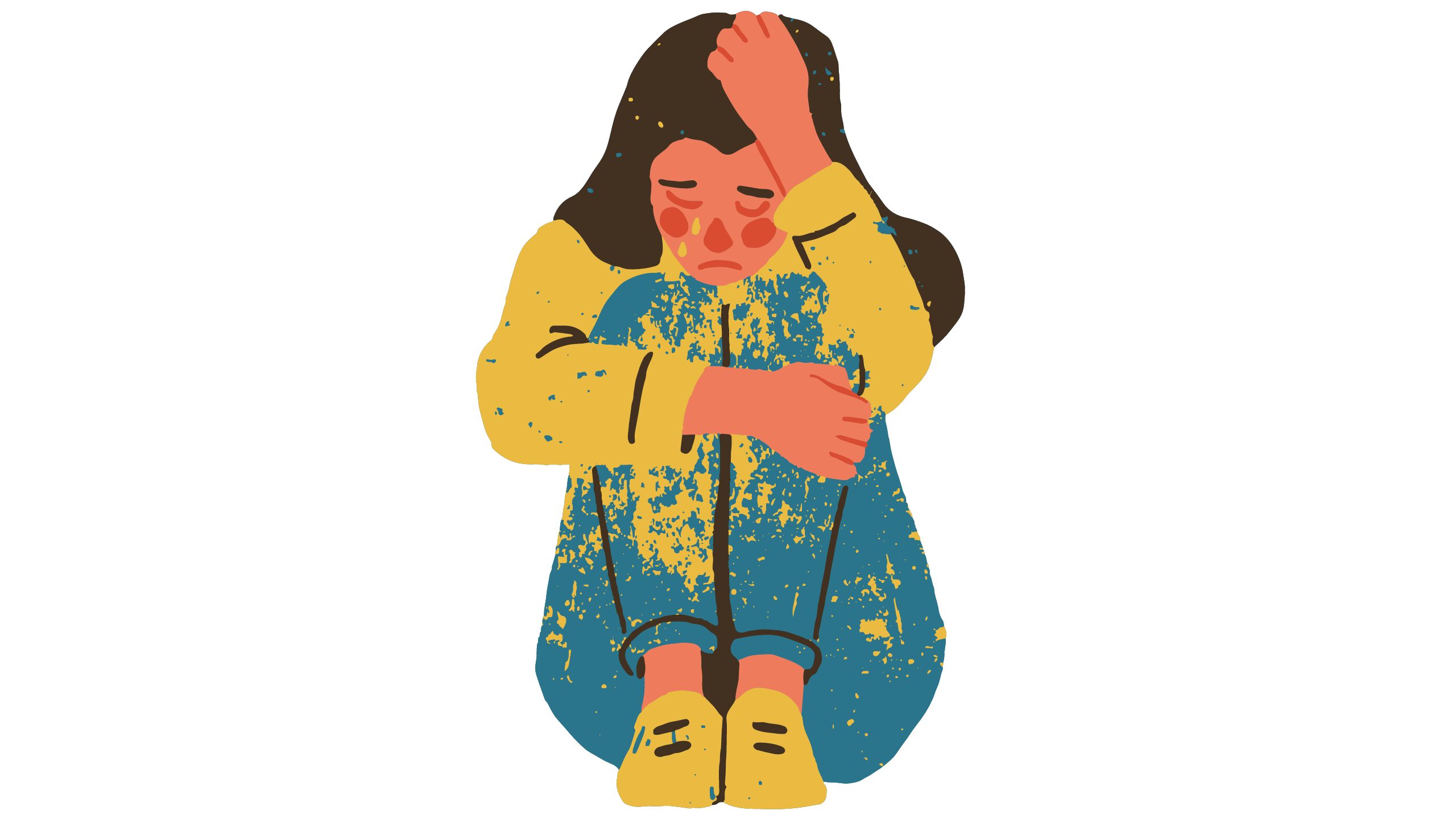
Here’s a question that no one really likes to be asked. When was the last time you truly relaxed? Not the “brain-rotting” scrolling-through-your-phone kind of relaxation, but the genuine, restorative kind that leaves you feeling recharged rather than drained?
If you’re struggling to remember, please know, you’re not alone. In our increasingly stressful world, where burnout is becoming more prevalent, finding effective ways to decompress and refill our bucket has become more important than ever. And surprisingly, research is showing that one unexpected source of relief might be sitting right on your gaming console, computer, or phone: cozy games.
So, What Are Cozy Games?

Cozy games are precisely what they sound like – video games designed to provide comfort, relaxation, and a sense of peace rather than adrenaline-pumping action or competitive intensity games like Overwatch, COD, or Apex. Cozy games are the exact opposite. Think gentle farming simulators like Stardew Valley, life simulation games like Animal Crossing, or creative building games like Minecraft. These games are characterized by:
- Low-stakes gameplay with no way to “lose”
- Soothing soundtracks and calming visuals
- Simple, repetitive tasks that feel satisfying rather than tedious
- Supportive, friendly virtual communities
- Self-paced progression with no pressure or deadlines
- A focus on creation, nurturing, and exploration rather than destruction or competition
Unlike the violent or competitive games that often dominate headlines, cozy games create spaces where players can breathe, slow down, and engage in activities that feel more like digital meditation than traditional gaming.
The Science Behind the Comfort
You might be thinking, “Sure, these games are relaxing, but can they actually help with mental health?” The answer, according to recent research, is a resounding yes.
As Effective as Meditation
A 2021 study at McMaster University compared playing casual video games to meditation and found no statistically significant difference between the two interventions when it came to reducing blood pressure and heart rate (Desai et al., 2021). Let that sink in – playing a cozy game like Stardew Valley can be just as effective at calming your nervous system as a formal meditation practice.
For those of us who struggle with traditional mindfulness practices (racing thoughts, anyone?), this is revolutionary news. Sometimes sitting still and “clearing your mind” feels impossible, but tending to a virtual garden or organizing your digital farm? That might just be the accessible entry point to stress reduction you’ve been looking for.
Measurable Mental Health Benefits
Research conducted in Japan between 2020-2022 found that game console ownership and increased gameplay were associated with reduced psychological distress, with effects ranging from 0.1 to 0.6 standard deviations (Egami et al., 2024). The benefits go beyond just feeling good in the moment.
Studies have shown that cozy games can lower blood pressure and heart rate, increase life satisfaction, and offer strategies for managing ADHD, anxiety, racing thoughts, and more (Kowal et al., 2021). Additional research indicates these games can help improve emotional regulation, reduce psychological distress, and therapists are even starting to use cozy games in sessions to help patients explore emotions or deal with grief (Finch, 2021, 2022).
The Stardew Valley Effect
When researchers specifically examined Stardew Valley, one of the most popular cozy games, the findings were striking. A 2021 content analysis by University of Saskatchewan researchers found that among games praised for helping players through anxiety or depression, Stardew Valley was the second most frequently cited game for coping and recovery, with players reporting reduced anxiety, comfort during depression, and an overall sense of calm (Phillips et al., 2021).
The Science-Backed Benefits of Cozy Gaming
Research shows cozy games can provide real mental health support
Reduced Stress
Lowers blood pressure and heart rate similar to meditation
Better Focus
Gentle tasks promote mindfulness without overwhelm
Mood Boost
Reduced anxiety and increased life satisfaction
Accomplishment
Small wins provide sense of purpose and progress
Connection
Safe social interaction without real-world pressure
But what makes these cozy games like Stardew Valley so effective? The research points to several key factors.
Why Games like Stardew Valley Works as Self-Care
1. A Sense of Accomplishment When You Need It Most
One of the cruellest aspects of depression and burnout is the feeling that you’re accomplishing nothing, that you’re stagnant or useless. Players reported that Stardew Valley gives a sense of purpose and progress when real life feels stagnant, and its repetitive tasks can calm nerves and reduce rumination, similar to the therapeutic effect of gardening or knitting (Phillips et al., 2021).
When getting out of bed feels like climbing a mountain, watering your virtual crops becomes a small, achievable goal. When you can’t seem to finish anything at work, harvesting your pumpkins provides tangible evidence of completion. These micro-accomplishments matter, especially when depression is telling you that you’re worthless or unproductive.
As one player shared in testimonials: even on days when they accomplished little in real life, being able to water their crops before bed gave them something to feel good about. Instead of lying awake thinking about everything they didn’t do, they could think about their upcoming harvest or the gift they managed to give to a virtual friend.
2. Control in a Chaotic World
Anxiety often stems from feeling out of control, overwhelmed by circumstances we can’t influence. Cozy games flip this script entirely. In Stardew Valley, you have complete control over your farm, your schedule, and your choices. You decide what to plant, when to socialize, how to spend your time.
This sense of agency can be incredibly healing. The game’s ability to satisfy basic needs for control, accomplishment, and social connection provides genuine mental wellness benefits, especially in times of stress.
3. Connection Without Pressure
For those dealing with social anxiety or isolation, the NPCs (non-player characters) in Stardew Valley offer a unique form of social connection. Players noted that the game provides happy social interactions with NPCs in times of loneliness (Phillips et al., 2021). You can engage as much or as little as you want, practice social skills without real-world consequences, and build relationships at your own pace.
There’s no pressure to respond immediately, no fear of saying the wrong thing, no exhausting small talk. Just genuine, consistent, positive interactions that remind you what connection can feel like.
4. Mindful Focus Without Overthinking
Anxiety has a way of hijacking your thoughts, dragging them into catastrophic future scenarios or ruminating over past mistakes. The gentle tasks in cozy games – fishing, planting, organizing, decorating – require just enough focus to anchor you in the present moment without overwhelming you.
This is essentially exposure to mindfulness for people who find traditional meditation frustrating or impossible. You’re practicing being present, focusing on one thing at a time, and letting go of worries – all while doing something that feels engaging rather than like work.
5. A World That Waits for You
Perhaps one of the most therapeutic aspects of games like Stardew Valley is that they’re patient. Your farm will still be there tomorrow. The villagers will still greet you warmly. Nothing catastrophic happens if you don’t play for a day, a week, or a month. The world waits.
In a life where everything feels urgent and demanding, having a space that simply waits for you – without judgment, without pressure – can be profoundly comforting.
Beyond Stardew: Other Cozy Games Worth Exploring
While Stardew Valley gets much of the spotlight, the cozy gaming genre has expanded beautifully. Here are other games that offer similar therapeutic benefits:
Animal Crossing: New Horizons – Perhaps the game that defined cozy gaming for the pandemic era. Create your island paradise, befriend anthropomorphic villagers, and engage in low-pressure collecting and decorating.
Unpacking – A meditation on life transitions told entirely through unpacking boxes. Surprisingly emotional and deeply satisfying.
A Short Hike – Exactly what it sounds like. Explore a peaceful island, talk to friendly characters, and take in the scenery. Can be completed in a few hours but leaves a lasting sense of calm.
Spiritfarer – A beautiful game about caring for spirits before they move on. Deals with themes of loss and letting go in the gentlest possible way.
Cozy Grove – Camp on a haunted island and help spirits find peace. Daily tasks make it perfect for routine building.
Powerwash Simulator– Methodically cleaning dirty surfaces with high-pressure water creates a surprisingly soothing, almost meditative rhythm that many players find deeply calming and satisfying.
Minecraft (in Creative or Peaceful Mode) – Therapeutic applications of Minecraft are well-documented in clinical practice, with counselors using it to help young people explore emotions and build coping skills (Finch, 2021, 2022). Research has also shown that playing Minecraft can improve hippocampal-associated memory in middle-aged adults (Clemenson et al., 2021).


Important Considerations
While the research on cozy games is genuinely exciting, it’s crucial to maintain perspective:
Cozy games are not a replacement for therapy or medication. Cozy games should not be used as a replacement for traditional therapy or prescribed medications. struggling with depression, anxiety, or other mental health conditions, please reach out to a mental health professional.
Balance is key. Like anything, gaming can become problematic if it’s used as avoidance rather than self-care. If you’re playing for hours every day to escape responsibilities or relationships, that’s a sign to seek support.
They’re one tool among many. Think of cozy games as part of a comprehensive self-care toolkit that also includes movement, sleep, nutrition, social connection, and professional support when needed.
How to Make Cozy Gaming Part of Your Self-Care
If you’re intrigued by the idea of incorporating cozy games into your mental health routine, here’s how to do it intentionally:
1. Set time boundaries. Decide in advance how long you’ll play. Setting a timer can help prevent the “just one more day” spiral that can eat up your evening.
2. Create a cozy environment. The research shows that people often set up their gaming spaces with soft lighting, blankets, and comfortable seating. Make it a full sensory experience of comfort.
3. Use it as a transition ritual. Playing for 20-30 minutes after work can help you shift from “work mode” to “rest mode,” creating a buffer between the stress of your day and your evening.
4. Notice what you’re feeling. Pay attention to whether the game is actually helping you feel calmer or if it’s becoming another source of stress. If you find yourself getting frustrated or obsessive, it might be time to step back.
5. Share the experience. Many cozy games have multiplayer options. Playing with a friend or family member can add another layer of connection and support.
The Bigger Picture
The emergence of cozy games and the research validating their benefits reflects something important: we’re collectively recognizing that mental health support doesn’t have to look traditional to be effective.
Not everyone responds to meditation. Not everyone can afford regular therapy. Not everyone finds relief in the standard self-care recommendations. And that’s okay. The more tools we have, the more likely we are to find something that works for us personally.
As mental health research on video games has evolved, we’re beginning to recognize that they can actually offer a lot of benefits. For some people, tending a virtual farm provides more stress relief than a bubble bath. For others, building relationships with pixelated characters offers a safe way to practice connection. And for many, the simple act of accomplishing small tasks in a peaceful digital world provides relief from the chaos of the real one.
Your Invitation to Try Something New
If you’re curious, I encourage you to try a cozy game. You don’t need an expensive console – many are available on phones or computers. You don’t need to be “a gamer” – these games are designed to be accessible to everyone. And you don’t need to commit significant time – even 15-20 minutes can provide benefits.
Start with Stardew Valley if you want something with depth and longevity. Try A Short Hike if you want something brief but beautiful. Download Animal Crossing: Pocket Camp on your phone if you want to dip your toes in without investment.
Pay attention to how you feel before and after playing. Do you notice your shoulders relaxing? Does your breathing slow down? Do you feel a little lighter, a little calmer? That’s the research in action.
Finding What Works for You
At the end of the day, whether cozy games become part of your self-care routine or not, the message remains the same: you deserve to find what helps you feel better. You deserve rest, comfort, and moments of peace.
For some, that will be a walk in nature. For others, it’s journaling or yoga or time with friends. And for an increasing number of people, it’s spending time in a quiet pixel-art world where the biggest stress is deciding which crops to plant next season.
There’s no one right way to take care of your mental health. The right way is the way that works for you.
Some Related Resources
If you found this article helpful, you might also benefit from:
- Explore our mental health resources – Access additional tools and support for your well-being
- Breaking the Burnout Cycle – Learn more strategies for managing chronic stress and preventing burnout
- Coping with Job Loss: A Guide to Protecting Your Mental Health – Support for navigating major life transitions
- Holiday Stress and Anxiety: Unwrapping Joy – Managing seasonal stress with practical strategies

If you’re struggling with burnout, stress, anxiety, or sleep concerns and finding that self-care strategies aren’t enough, professional support can help. I offer virtual therapy to clients throughout Ontario, specializing in helping people develop sustainable strategies for managing stress and protecting their wellbeing.
Ready to talk? Book a free 15-minute consultation to discuss how therapy can support your mental health journey.
References
Clemenson, G. D., Aluru, U., Hataman, N., Stark, S. M., & Stark, C. E. L. (2021). Playing Minecraft improves hippocampal-associated memory for details in middle aged adults. Frontiers in Sports and Active Living, 3, 685286. https://doi.org/10.3389/fspor.2021.685286
Desai, V., Gupta, A., Andersen, L., Ronnestrand, B., & Wong, M. (2021). Stress-reducing effects of playing a casual video game among undergraduate students. Trends in Psychology, 29, 563-579. https://doi.org/10.1007/s43076-021-00062-6
Egami, H., Rahman, M. S., Yamamoto, T., Egami, C., & Wakabayashi, T. (2024). Causal effect of video gaming on mental well-being in Japan 2020–2022. Nature Human Behaviour, 8(10), 1943-1956. https://doi.org/10.1038/s41562-024-01948-y
Finch, E. (2021). Therapeutic adventures in Minecraft. BACP Children, Young People and Families Journal, December 2021, 6-11.
Finch, E. (2022). Using Minecraft as a sandtray. In J. Stone, Digital play therapy: A clinician’s guide to comfort and competence (pp. 190-192). Routledge.
Kowal, M., Conroy, E., Ramsbottom, N., Smithies, T., Toth, A., & Campbell, M. (2021). Gaming your mental health: A narrative review on mitigating symptoms of depression and anxiety using commercial video games. JMIR Serious Games, 9(2), e26575. https://doi.org/10.2196/26575
Phillips, C., Klarkowski, M., Frommel, J., Gutwin, C., & Mandryk, R. L. (2021). Identifying commercial games with therapeutic potential through a content analysis of Steam reviews. Proceedings of the ACM on Human-Computer Interaction, 5(CHI PLAY), Article 255, 1-21. https://doi.org/10.1145/3474682
Discover more from Genuine Therapy
Subscribe to get the latest posts sent to your email.